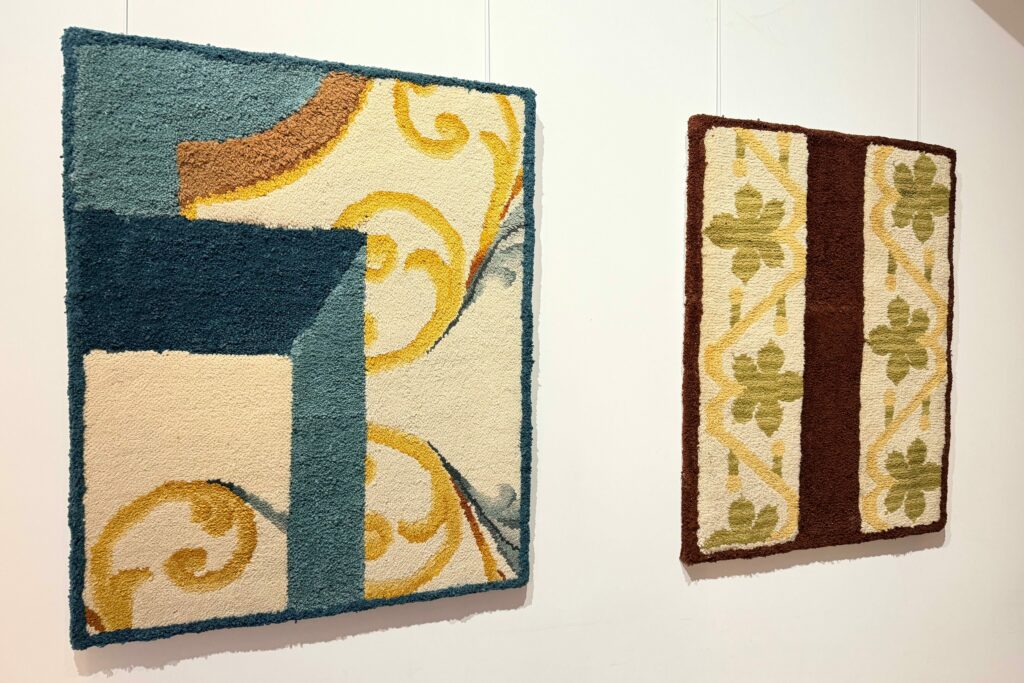
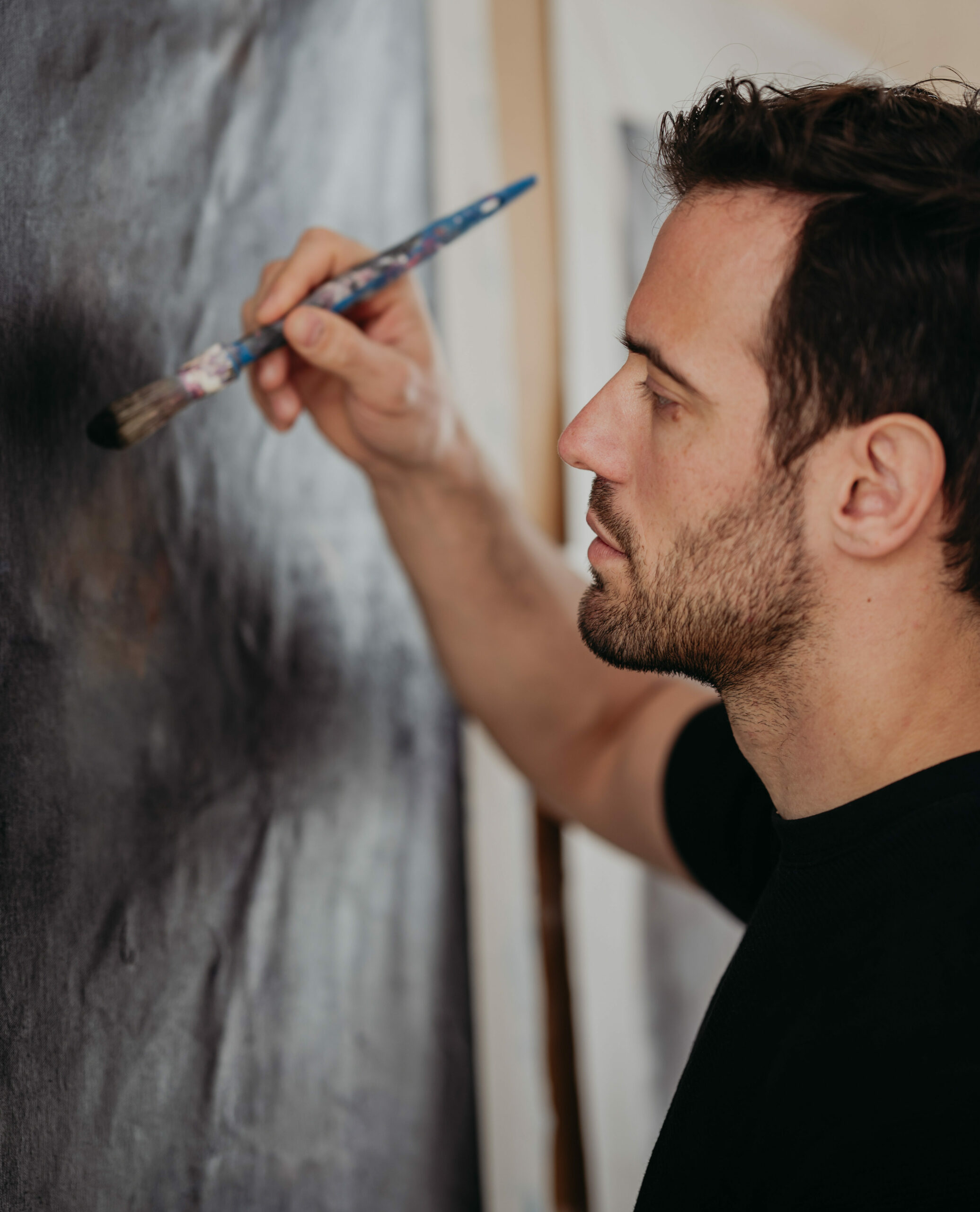
Gianluca Lattuada’s artistic practice investigates the relationship between matter, memory and perception. Working across different media, he approaches abstraction not as a departure from reality, but as a means of examining the structures through which experience is formed, preserved and transformed.
Materials and forms are never treated as autonomous or neutral. They carry traces of previous conditions, processes and histories, entering into new relationships through acts of construction, repetition and transformation. What emerges is neither a representation of the world nor an attempt to impose order upon it, but an inquiry into the forces that shape our understanding of what is present.
Central to this investigation is the tension between intention and uncertainty: between what can be deliberately constructed and what remains beyond the artist’s control.
Selected artworks
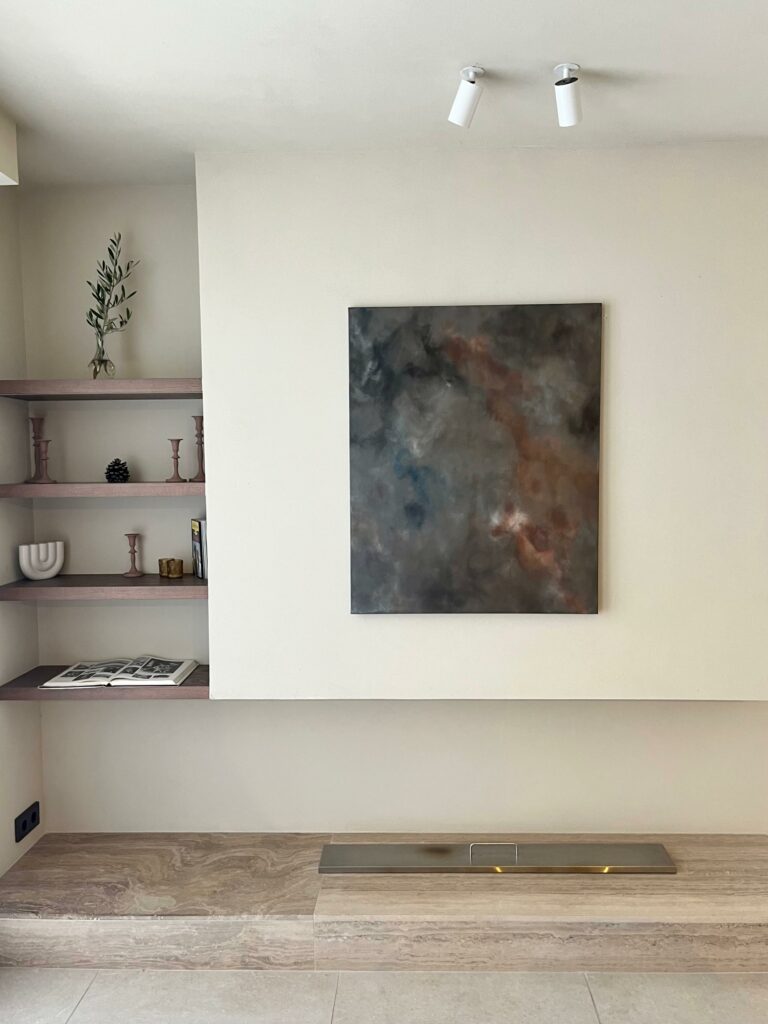


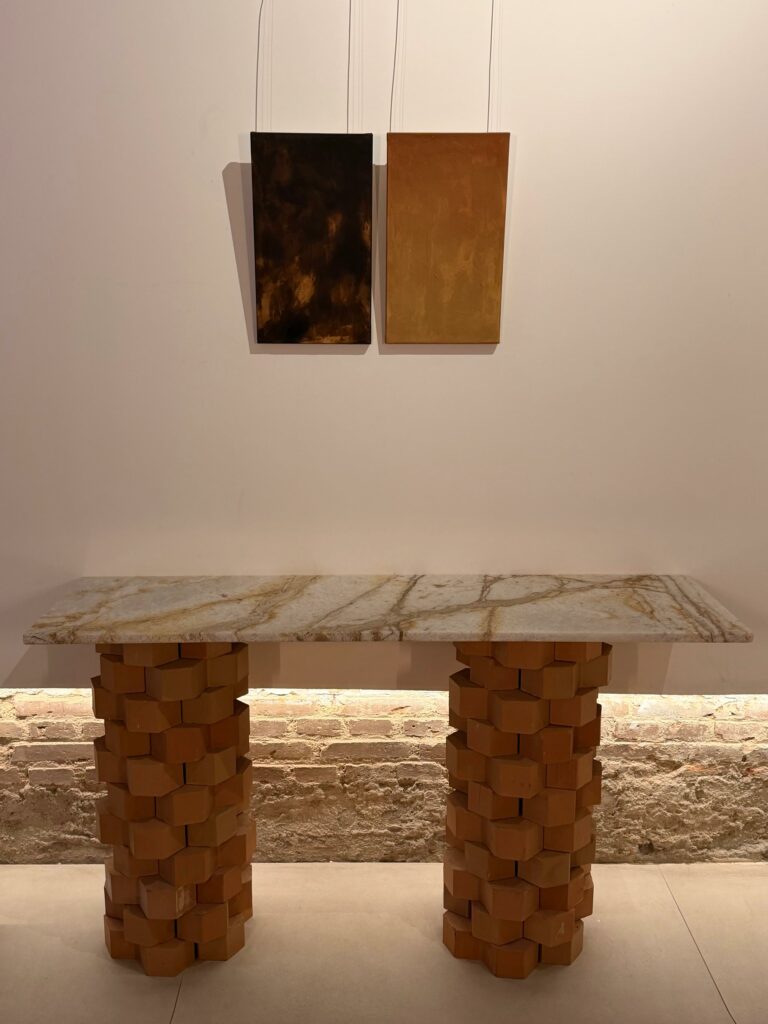

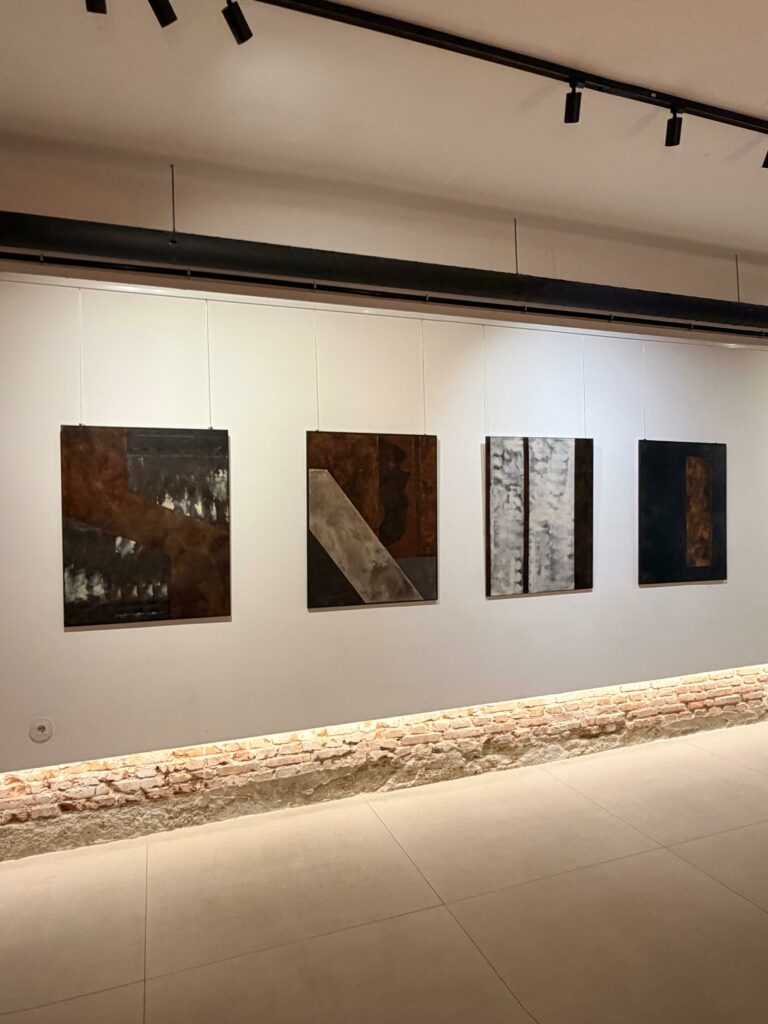


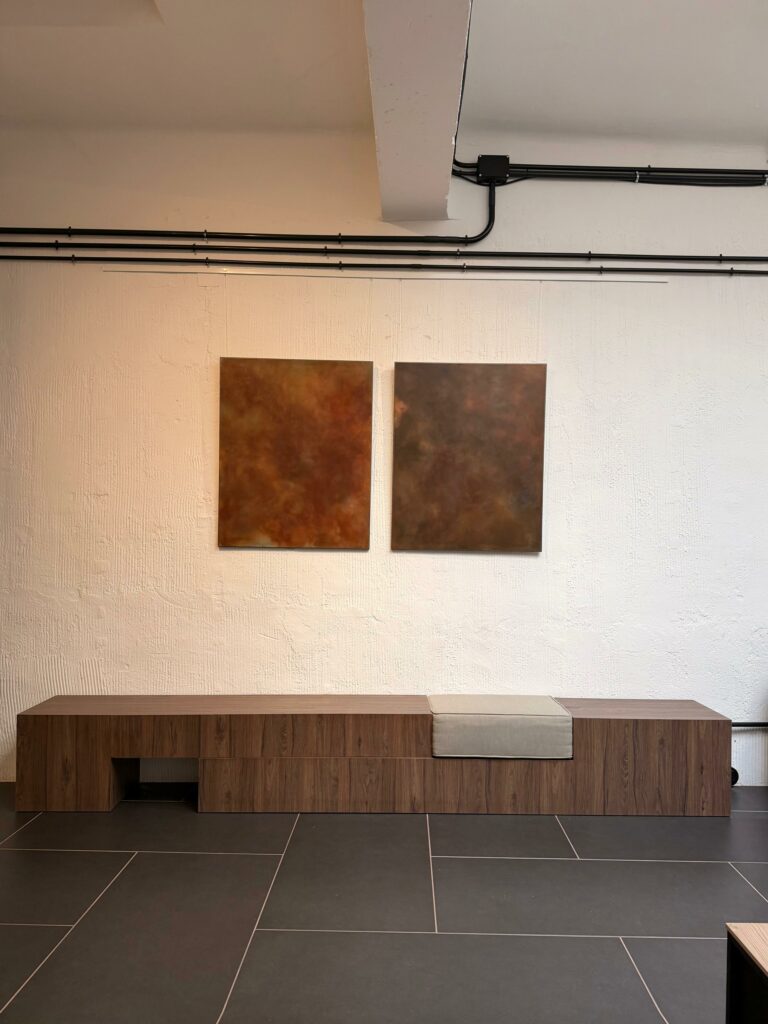
Matter and time
Material occupies a central position in Lattuada’s research, not simply as the substance from which an artwork is made, but as an active bearer of time.
In certain works, fragments carrying the marks of previous histories are incorporated into new configurations; in others, successive gestures, accumulations and erasures produce a record of duration within the work itself. Rather than illustrating memory, these processes give it a material presence. The past is neither reconstructed nor preserved as an intact image, but allowed to persist through transformation.
Repetition introduces a further tension. Its rhythms may evoke systems of labour, production and collective experience, yet their apparent regularity is continually unsettled by interruption, resistance and chance. Each work develops through a negotiation between the persistence of existing structures and the possibility of their transformation.


Conditions of perception
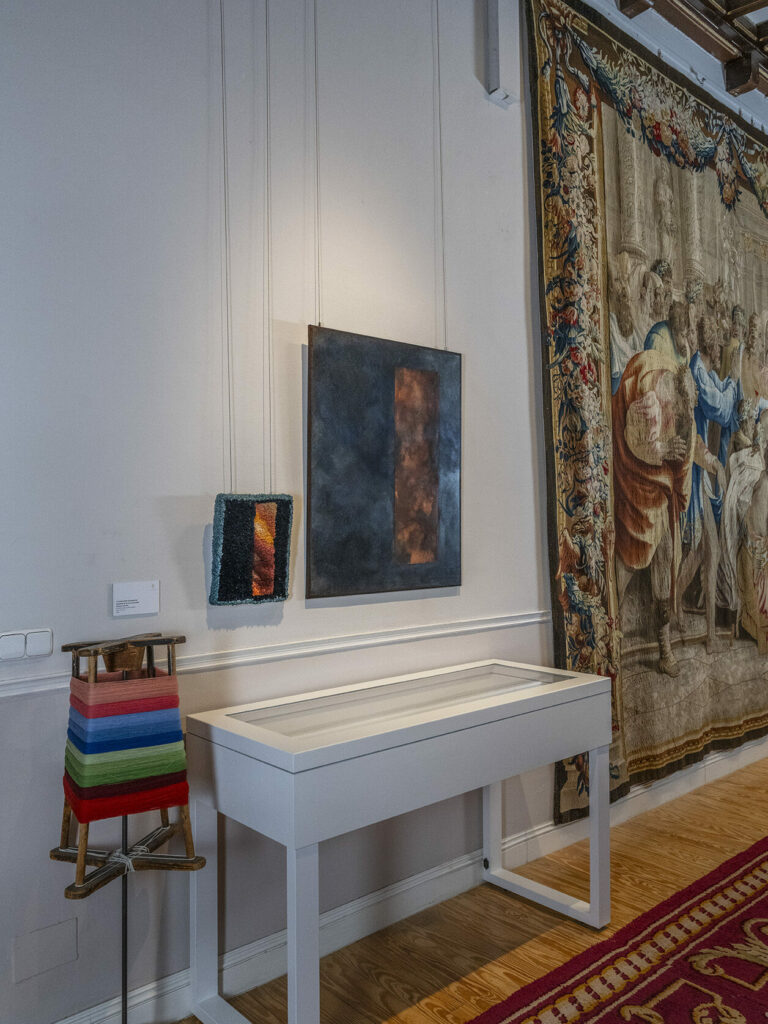
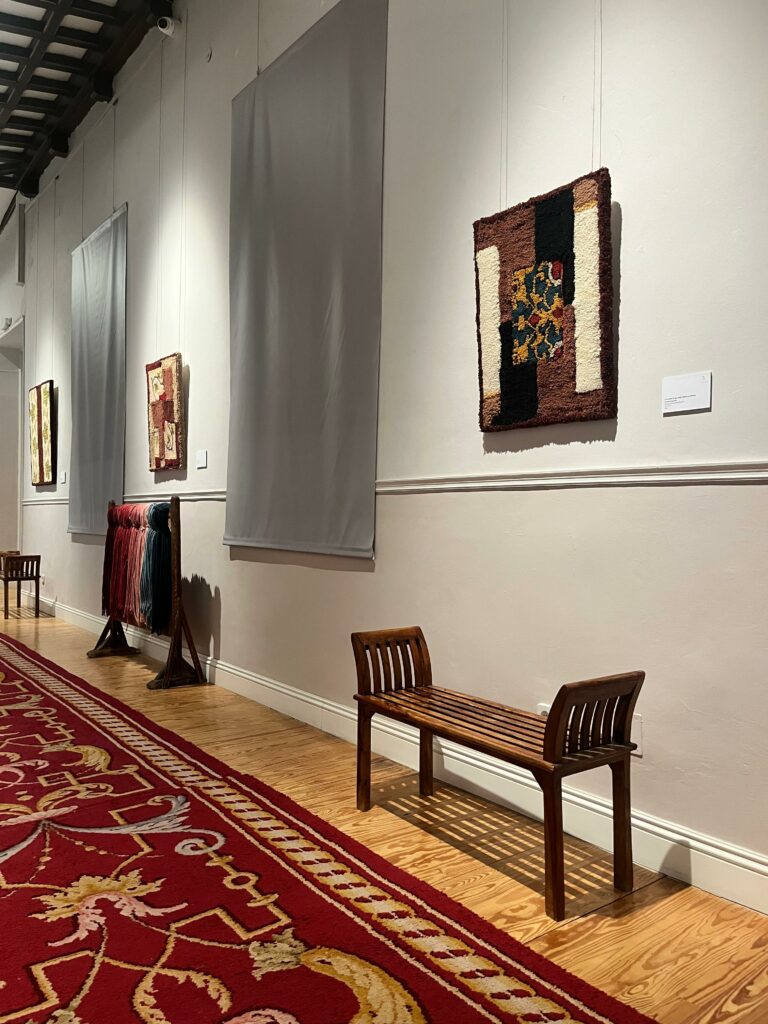
Lattuada’s work also investigates the relationship between what is materially present and what becomes perceptible through the act of looking.
The artwork does not necessarily conceal a meaning waiting to be deciphered. Instead, it challenges the assumption that recognition constitutes understanding. Familiar materials, gestures and forms may remain identifiable, yet their relationships are altered, allowing dimensions that ordinarily escape attention to become visible.
The experience of the work therefore extends beyond its physical construction. Meaning emerges through the encounter between object and observer, in the interval between what is immediately recognized and what gradually reveals itself through sustained attention.
Abstraction becomes, in this sense, a means of reconsidering the familiar: not by proposing a reality elsewhere, but by questioning the limits of what we believe we already know.